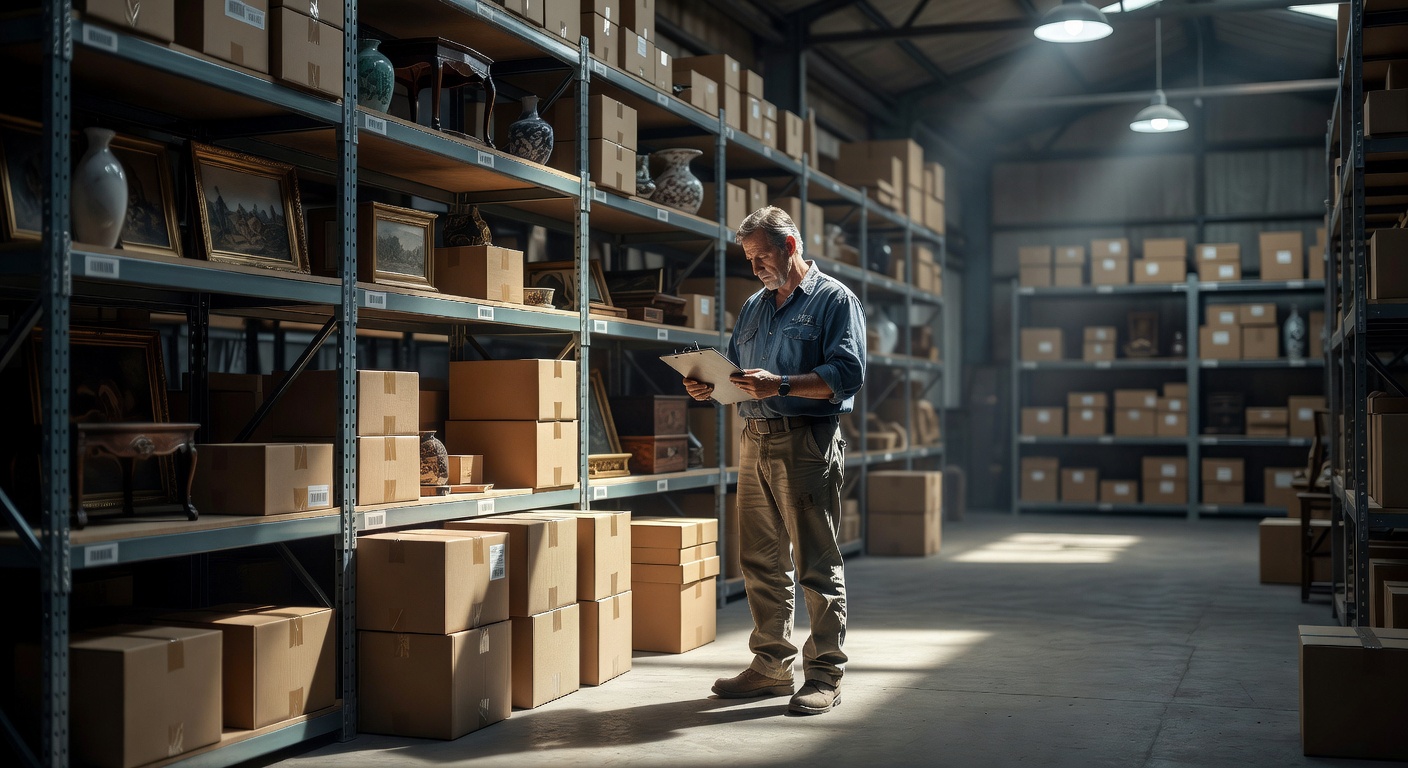
Auctions, whether online or in-person, are dynamic environments where mastering auction logistics is essential for timing, organization, and strategy to converge and create successful transactions. Mastering auction logistics is essential for buyers, sellers, and auction house operators who want to navigate this fast-paced world with confidence. From preparing items for sale to managing bids and ensuring timely delivery, the logistics behind auctions can make or break the experience for all parties involved. In this comprehensive guide, we’ll explore actionable strategies to streamline operations and maximize success in any auction setting.
Key Takeaways
- Effective auction logistics require detailed planning and clear communication among all parties.
- Buyers should research items and set budgets to avoid logistical hiccups during bidding.
- Sellers must prepare items with accurate descriptions and high-quality visuals for smooth transactions.
- Auction operators need robust systems for inventory, bidding, and payment processing.
- Technology can simplify online auction logistics, from listing to shipping coordination.
- Understanding local regulations ensures compliance and prevents legal issues.
- Post-auction follow-up is critical for buyer satisfaction and seller reputation.
Why Auction Logistics Matter
Auction logistics encompass every step of the process, from item intake to final payment and delivery. For buyers, poor logistics can mean missed bids or delayed item receipt. Sellers risk negative feedback if items are misrepresented or shipments are late. Auction house operators face the biggest challenge, as they must coordinate between multiple stakeholders while maintaining a seamless event. Without a solid logistical framework, even the most promising auction can descend into chaos, damaging trust and profitability.
Logistics also impact the perceived value of an auction. A well-organized event or platform instills confidence, encouraging higher bids and repeat participation. Whether you’re engaging in online auctions or attending a live estate sale through estate liquidation, understanding and optimizing logistics is the the key to success.

Tips for Buyers: Navigating Auction Logistics with Ease
As a buyer, your role in mastering auction logistics starts long before you place a bid. Preparation is crucial to avoid common pitfalls. Begin by researching the auction platform or house. Check their terms and conditions, especially regarding payment methods, shipping costs, and return policies. For live auctions, arrive early to inspect items in person and note any damage or discrepancies that could affect value. Online, rely on detailed photos and ask sellers for additional information if descriptions are vague.
Budgeting is another logistical cornerstone. Set a maximum bid and stick to it, factoring in buyer’s premiums and shipping fees. Use tools like bid calculators or apps to track your spending in real time. During the auction, ensure you have a reliable internet connection if bidding online, or a clear line of sight if at a live event. Post-auction, confirm payment promptly and arrange pickup or delivery as soon as possible to avoid storage fees. For more bidding tips, explore our bidding and buying guides.
Finally, document everything. Save receipts, emails, and photos of items upon receipt. If issues arise—such as a delayed shipment or damaged goods—having records simplifies disputes. By staying proactive, you minimize logistical headaches and maximize your auction experience.
Tips for Sellers: Streamlining Your Auction Process
For sellers, mastering auction logistics means presenting items in the best light while ensuring a smooth transaction. Start with thorough item preparation. Clean, repair, and photograph items under good lighting to showcase their value. Write detailed, honest descriptions, noting any flaws to prevent disputes. If you’re new to selling, platforms like eBay offer helpful guides on listing items effectively—check their selling tips for actionable advice.
Next, choose the right auction format. Decide between fixed-price listings and traditional bidding based on your item’s demand and market trends. Timing matters too—list items when your target audience is most active, such as weekends for casual buyers. Coordinate shipping logistics upfront by calculating costs and selecting reliable carriers. Clearly communicate shipping timelines to buyers to manage expectations. For in-depth strategies, visit our selling and listing resources.
After the sale, follow up promptly. Send invoices within 24 hours and ship items as promised. Include tracking numbers and insurance for high-value goods. A smooth post-sale process builds trust and encourages repeat business, turning one-time buyers into loyal customers.
Tips for Auction House Operators: Mastering Auction Logistics
Auction house operators bear the brunt of logistical challenges, as they must juggle multiple roles—curator, marketer, and mediator. Start with inventory management. Use software to catalog items, track bids, and monitor payments. Barcode systems or digital databases can prevent mix-ups during large events. For online platforms, ensure your website is user-friendly and secure, with real-time updates on bid status. Learn more about optimizing operations in our auction operations category.
Staff training is another critical component. Equip your team with clear protocols for handling disputes, processing payments, and managing crowds at live events. Compliance with local laws is non-negotiable—partner with legal experts or consult resources from the National Auctioneers Association to stay updated on regulations. Additionally, invest in marketing to attract diverse bidders. Use email campaigns, social media, and local ads to spread the word about upcoming auctions.
Finally, prioritize post-event logistics. Reconcile payments quickly, issue refunds if necessary, and solicit feedback from participants to improve future events. A well-run auction house not only boosts revenue but also builds a reputation for reliability in a competitive industry.
Technology’s Role in Auction Logistics
Technology has revolutionized auction logistics, making processes faster and more transparent. Online platforms allow buyers to bid from anywhere, while sellers can reach global markets. Auction software streamlines tasks like invoicing, shipping labels, and bidder verification. Mobile apps enable real-time notifications, ensuring no one misses a critical update. For operators, data analytics can predict bidding trends and optimize inventory—check our news and trends section for the latest tools.
However, technology isn’t foolproof. Cybersecurity risks, such as data breaches, can disrupt operations. Invest in secure payment gateways and educate users on safe practices. Test systems before major events to catch glitches early. By balancing innovation with caution, technology becomes a powerful ally in mastering auction logistics. For authoritative guidance, refer to the ARDMS and SDMS websites.
Frequently Asked Questions
What are the biggest logistical challenges in auctions?
Common challenges include inventory mismanagement, delayed payments, shipping issues, and miscommunication between buyers and sellers. Proactive planning and clear policies can mitigate these risks.
How can buyers avoid logistical issues at auctions?
Buyers should research items, set budgets, confirm payment terms, and arrange prompt pickup or delivery. Keeping records of transactions also helps resolve disputes.
What should sellers do to ensure smooth auction logistics?
Sellers must provide accurate item descriptions, calculate shipping costs upfront, and communicate clearly with buyers. Timely invoicing and shipment tracking are essential.
How do auction operators manage large-scale events?
Operators use inventory software, train staff, and comply with local laws. Marketing, secure payment systems, and post-event follow-up ensure a seamless experience.
Can technology improve auction logistics?
Yes, technology streamlines bidding, payments, and communication. However, operators must prioritize cybersecurity and test systems to avoid disruptions during events.
Final Thoughts
Mastering auction logistics is a game-changer for anyone involved in the auction world, whether you’re a buyer hunting for a rare collectible, a seller liquidating assets, or an operator running a bustling auction house. By focusing on preparation, communication, and technology, you can transform potential chaos into a well-oiled machine that benefits all parties. Each role comes with unique challenges, but with the right strategies, success is within reach.
Remember that logistics isn’t just about moving items from point A to point B—it’s about building trust and efficiency at every step. Dive into our resources on auction operations and other categories to deepen your expertise. With dedication and the tips shared here, you’ll be well-equipped to navigate the fast-paced, rewarding world of auctions.
Start small, stay organized, and keep learning. The auction industry thrives on adaptability, and mastering logistics is your ticket to standing out in this competitive arena. What’s your next step to streamline your auction experience?